Can You Get Hired as a Cake Decorator With No Experience?
It's the question every aspiring decorator asks before they apply. The short answer is reassuring — the longer answer is a plan. Here's how beginners actually land their first decorating job.
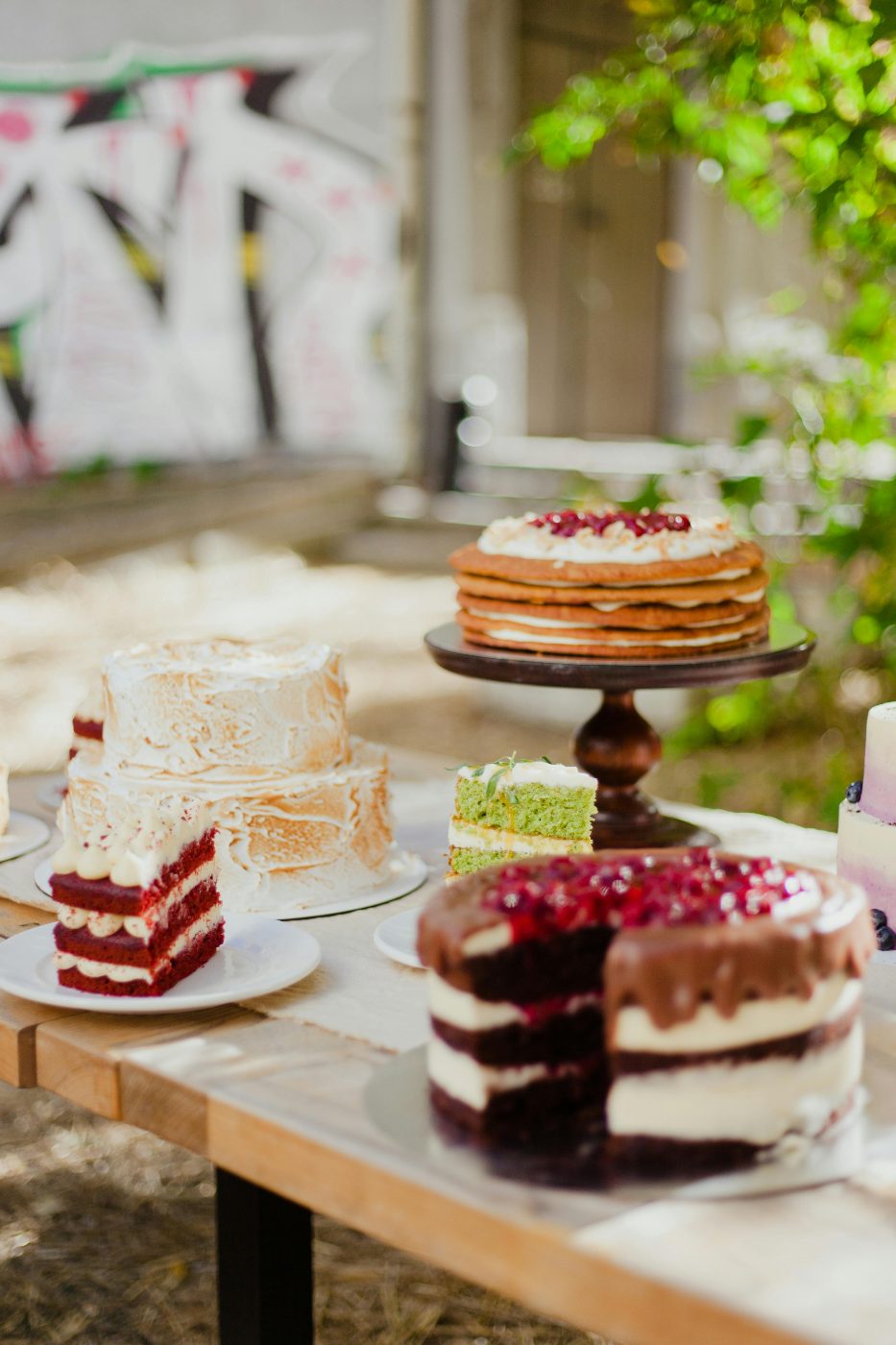
If you've taught yourself to frost a respectable birthday cake and wondered whether anyone would ever pay you to do it, you're not alone — and you're not dreaming. Cake decorating is one of the more accessible skilled crafts to break into, precisely because so much of it is learned on the job. Plenty of working decorators started with nothing but a piping bag, a few practice cakes, and the nerve to apply.
You can absolutely get hired with no formal experience. Many entry-level bakery roles are designed to train you from the ground up — what they're really screening for is reliability, a steady hand, and a genuine eagerness to learn. Experience helps, but it's rarely the dealbreaker.
Why "no experience" isn't the wall you think it is
Decorating is a repetition craft. A bakery would almost rather train a careful, coachable beginner their way than untrain someone's bad habits. High-volume bakeries also have steady turnover and predictable seasonal rushes — graduations, holidays, wedding season — which means there's a near-constant need for new hands willing to start at the bottom and learn the line.
What you lack in a résumé, you make up for with evidence and attitude. Show that you can already do the basics, and that you'll show up on time and take feedback well, and you're a far easier hire than the gap in your work history suggests.
Where beginners actually get hired
Not all openings are equally beginner-friendly. Aim your energy where the odds are best:
Grocery & supermarket bakeries
Best oddsThe classic on-ramp. Big-chain bakery departments hire entry-level decorators year-round, train you on their standardized designs, and pay you while you build speed and consistency. This is where most decorators get their start.
Warehouse & big-box bakeries
Strong oddsHigh volume, repeatable cakes, and plenty of openings. You'll pipe the same borders and roses hundreds of times — which is exactly the reps you need to get genuinely good, fast.
Independent cake & cupcake shops
Worth a shotSmaller shops sometimes take on a beginner as an assistant — prepping, crumb-coating, and handling simpler orders — especially if you offer to start part-time or seasonally. A warm introduction or a strong portfolio goes a long way here.
Hotels, cafés & catering kitchens
Worth a shotLarger pastry teams occasionally hire a junior to support the decorators. The bar is higher, but it's a great place to grow once you have a little experience under your belt.
What employers look for instead of experience
When you can't lead with a work history, lead with these — every one of them is something you can build before you ever apply:
- Proof you can decorate. A simple photo portfolio of cakes you've made matters more than any line on a résumé.
- The fundamentals. Leveling, filling, a clean crumb coat, and steady piping — the base skills every design is built on.
- Reliability. Bakeries run on early mornings and hard deadlines. Showing you're punctual and dependable is half the battle.
- Coachability. A willingness to do it their way and take correction without ego is genuinely prized.
- Speed and consistency. You don't need either on day one — but signaling that you understand the job is about repeatable results helps.
- Food-safety basics. A food handler's card is cheap, quick to earn, and tells an employer you're serious.
How to land the job — a beginner's playbook
Build a tiny portfolio first
Decorate five or six cakes at home and photograph them well — good light, plain background. Variety beats perfection: a smooth buttercream finish, a piped border, some simple flowers, a written message.
Get the cheap credentials
Earn a food handler's card and, if you can, take a short local or online decorating class. Neither is required, but together they quietly answer the "but you have no experience" objection.
Apply wide — and in person
Apply to every grocery and big-box bakery near you, then walk in and ask for the bakery manager. A friendly face with photos on their phone makes an impression an online form never will.
Frame your story around the craft
Your cover note and interview should say: I've been decorating on my own, I love it, I learn fast, and I'm reliable. Hand-wave the missing résumé by showing the work instead.
Be ready for a trial
Some bakeries ask you to pipe a border or smooth a cake on the spot. Practice the basics until they're second nature so a quick test feels routine, not nerve-wracking.
What to expect once you're in
Be realistic about the start. Entry-level decorating pay is modest, early shifts are common, and your first weeks may be more crumb-coating and lettering than showpiece tiers. That's the point: you're getting paid to log the reps that turn a hobbyist into a pro. Stick with it, get faster and cleaner, and the better work — and better pay — follows reputation and specialization.
The decorator known for flawless wedding tiers almost always started exactly where you're about to: at an entry-level counter, with no experience, willing to learn.
No experience? Make your first cake the proof.
The fastest way to look hireable is to have photos of real cakes. Pick a tested recipe, bake it, decorate it like it's for a client — and start your portfolio today.
Browse our tested recipes →Hiring practices, pay, and food-safety requirements vary by employer and location — always check the specific roles and local regulations where you live. This guide is general career advice, not a guarantee of employment.